
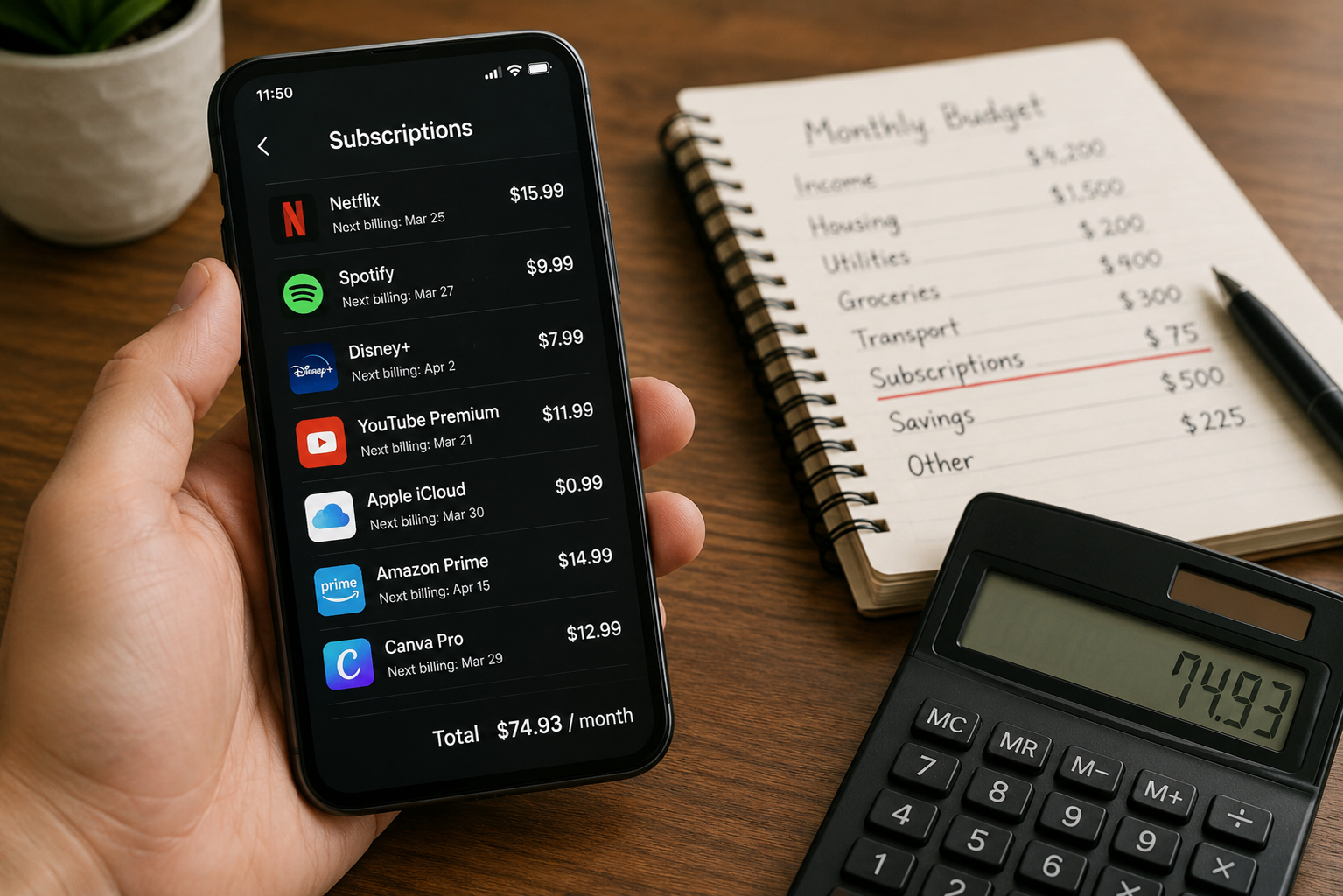

Subscription services drain your monthly budget through auto-renewals and fragmented billing cycles. Many consumers forget about low-cost, recurring charges. This can result in hidden expenses of hundreds of dollars per year. To stop the financial bleeding, consumers should review their bank statements every month, consolidate digital subscriptions, and use specialised software to track subscriptions.
Most consumers subscribe to a streaming service to watch one show and then cancel it before the next billing cycle. The initial free trial turns into a monthly charge on your credit card statement. Millions of households around the world repeat this scenario turning small monthly fees into significant burdens.
Modern economies heavily rely on models of recurring revenue. All of these companies encourage consumers to pay monthly. These services offer a wealth of digital content and convenience, but they also come with a complicated web of financial obligations that are difficult to track.
This guide will help you understand the psychological techniques companies use to keep subscriptions active. This guide provides a framework to audit current expenses, identify redundant services and implement systems that will prevent budget leaks in the future. After reading this article, readers will be able to take actionable steps to recover their disposable income.
Why Do Consumers Lose Track of Their Monthly Subscriptions?
Subscription models thrive off of user frustration and memory lapses. Signup is designed to be as simple as possible, often only requiring a click or thumbprint. In contrast, cancelling a subscription often involves using complex menus, contacting customer service, or clicking on multiple retention offers. The intentional design difference keeps users in contracts even after they have stopped actively using the product.
The psychological anchoring plays an important role in the way people perceive recurring expenses. The monthly fee of $9.99 feels insignificant compared to the $120 upfront payment. The monthly fee is below the threshold for financial pain that many adults face, so they usually overlook this expense when budgeting their monthly expenses.
The fragmented billing cycle makes it challenging for households to understand their total subscription costs. Spotify bills on April 4, Netflix on June 12, and Amazon Prime in August, so the total subscription cost is never a lump sum. The staggered billing approach hides the impact of these digital services on long-term savings and personal financial goals.
What Are the Most Common Budget-Draining Services?
Subscriptions to digital entertainment platforms are the most commonly inflated. Many households pay for several video streaming platforms at once, including Netflix, Hulu, and Max, although most viewers only have time to watch content from a single or two sources. Adding music streaming and premium audio podcast networks pushes the total cost of entertainment well beyond traditional cable bills.
Digital tools and software applications also drain finances significantly. Many smartphone applications now charge for premium features on a weekly or monthly basis. Every month, productivity tools, cloud storage services like Google One, and fitness tracking apps quietly take money from your account. These tools are often downloaded to solve a short-term problem. However, users forget to pay for them after they finish the job.
Subscription boxes that deliver everything from pet toys to clothing and meal kits have also become increasingly popular. Although meal delivery services such as HelloFresh and Blue Apron are convenient, they cost more than regular grocery shopping. When travelling or dining out, consumers often forget to skip a week. This results in wasted food and empty bank accounts.
How can Individuals Stop the Subscription Bleeding?
To stop subscription drain, the first thing to do is conduct a thorough financial audit. The consumer should print their credit card statements and bank statements for the last three months. Mark every recurring charge with a highlighter. The total number of automatic payments is often enough to motivate you to cancel them immediately.
Households should use a strict process of evaluation after identifying active services. Consolidation is the best option whenever possible. When an individual is paying for music streaming, cloud storage and premium shipping separately, they should consider a bundle service such as Apple One or Amazon Prime. Consumers should cancel services they rarely use. They can always reactivate their account later if they miss them.
Individuals should take structural measures to prevent budget leakages in the future. Virtual credit cards, such as those offered by Privacy.com, allow users to limit their spending at specific merchants and generate cards that can be used only once. Consumers can also adopt the “one-in, one-out” rule. To maintain a monthly budget, consumers must cancel a service before signing up for another.
Take Back Control of Your Personal Finances
To regain control of your monthly budget, you must take deliberate action and maintain constant vigilance. Automated billing shouldn’t come at the expense of financial stability over time. Understanding the strategies companies use to keep active accounts can help individuals make better-informed purchasing decisions.
This weekend, log in to your main banking portal to review all automated charges. Find one application, streaming service or delivery service that you don’t use and cancel it. This small monthly payment can be redirected to a high-yielding savings account or investment portfolio, which will yield compounding benefits far greater than the temporary dopamine rush of a forgotten digital service.
Frequently Asked Questions
How Much does the average monthly subscription cost?
According to C+R Research’s survey of 2022, the average American consumer estimates that their monthly subscription expenditure is $86. When respondents reviewed their bank accounts, they found that the average monthly expenditure was actually $219. This discrepancy highlights how digital payments are hidden.
How can individuals easily cancel unwanted recurring charges?
It is easiest to cancel unwanted subscriptions by going directly to the account or billing section on the website or app of the service. If the platform is making it difficult to cancel, you can contact your credit card company and ask them to block the merchant. This will prevent future automatic charges.
Is Subscription Tracking Safe to Use?
Subscription tracking apps like Rocket Money and Copilot use secure connections that are read-only (often provided by Plaid) in order to analyse bank statements, identify recurring charges, and track subscriptions. If automating financial monitoring is more important than ensuring digital privacy, choose tracking applications that use strong encryption protocols.
Do Consumers prefer monthly or annual billing?
Annual billing is only recommended for consumers who plan to use the service daily for more than 12 months. This will often result in a 15%-20% discount. Monthly billing is best for seasonal services, entertainment platforms or tools needed only for a short time.

Ethan Walker is a personal finance writer who focuses on helping beginners understand money simply and practically. He writes about budgeting, saving money, financial literacy, and side hustles with the goal of making financial education easier and more approachable. His content is designed to help readers build better financial habits and make smarter everyday money decisions.