
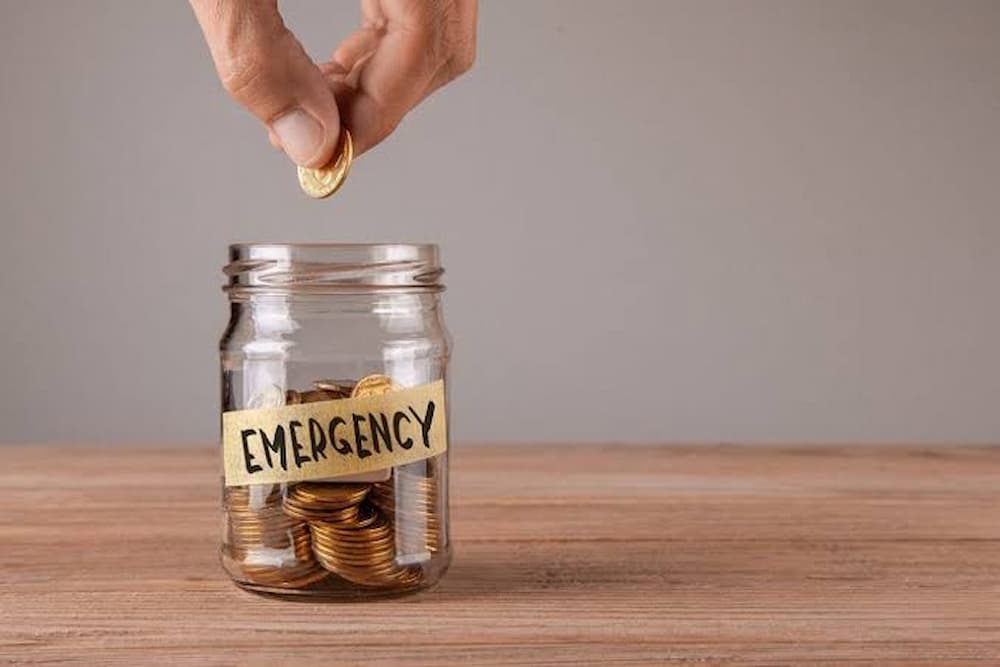

Life is full of surprises, and not all of them are nice. Sometimes a car breaks down, a phone stops working, or there’s a sudden need to travel. These are stressful times, especially if money is limited. This is where an emergency fund comes in. An emergency fund is money that you set away for the unexpected so that your normal life doesn’t go off the rails when troubles crop up. The truth is, anyone can start saving, and a lot of people will put it off, thinking they require a high income or flawless budgeting skills. This article is for beginners and those who are not confident about saving money for emergencies. You’ll learn what an emergency fund actually is, why it’s important, when to start, and how to develop it step by step. By the conclusion, you’ll feel confident enough to take charge of your financial security and build a little safety net to shield you from unanticipated shocks to your future.
Understanding the Problem
Many people live paycheck to paycheck with no additional savings. This is a pretty typical circumstance, and it generally feels normal until something unexpected happens. When an unanticipated bill comes along, individuals often panic, become stressed, and feel pressured to find money fast. Without an emergency fund, the only options may be to borrow from friends, use credit, or postpone crucial payments. Such choices might produce prolonged stress and make everyday life difficult. An emergency fund is like a safety cushion that keeps you from sliding further into money issues. It is not for shopping, holidays, or leisure. This applies only in real crises that cannot wait. The first step to healthier money habits is understanding this distinction. Having a backup stash of cash makes you feel more peaceful and prepared for life’s surprises. Having a sense of control can make a significant difference to your daily peace of mind and future stability.
Why This Problem Is Getting More Common
Life is more expensive and less predictable now. Prices can move quickly, employment might disappear, and unforeseen costs can come up more often than individuals think. Many families live off one income or have little savings since their day-to-day expenses consume most of their money. Technology and online shopping also make it easy to spend, and saving often becomes an afterthought. Social pressure is also a factor, with people encouraged to spend on lifestyle products to keep up with others. Emergencies still happen the way they always have, at the same time. Cars need to be repaired. Homes need to be repaired. If you don’t prepare, it can feel overwhelming. Life moves fast, and many individuals don’t think about constructing a safety net until they are in the midst of a crisis. That’s why emergency finances are more vital than ever in everyday life.
Signs You Are Experiencing This Problem
There are several symptoms that you may not be adequately protected financially. A common indicator is feeling anxious when unexpected expenses come up. Even little repairs or surprise expenditures might cause concern and confusion about how to pay. Another symptom is using credit or borrowing when surprises occur. And that can create a loop where each emergency puts more pressure down the line. Some people put off needed repairs or don’t get things fixed because they can’t afford to pay for them right now. Others panic when they have to shift jobs or travel unexpectedly since they don’t have backup savings. If the thought of unforeseen bills makes you cringe, it may be time to start an emergency fund. Identifying these indicators early on means you can step in before things get out of hand.
Beginner-Friendly First Steps
Starting an emergency fund can feel overwhelming at first, but the key is to start small and remain consistent. You don’t need a lot of money to start out. Even tiny savings can add up over time and build confidence. The first step is to decide that emergency savings are a priority, not an afterthought. If you open a separate savings place, you will not squander the money by accident. Choose a basic monthly goal you want to save. It is easier and less stressful. The focus should be on developing the habit rather than achieving a big number fast. Saving feels natural and manageable when it becomes automatic. These small efforts can accumulate over time to a strong safety net that will support you in unforeseen circumstances.
Common Mistakes that People Make
Many people just don’t know it, but they are making simple mistakes that prevent them from saving. One mistake is waiting for the right time to start. Some think they have to earn more money or spend less before they can begin saving, but this delay can last for years. Another common mistake is using your emergency resources for ordinary spending. Savings that are easy to get at could be gone fast. Some people also give up if they can’t save big amounts immediately soon. This can lead to frustration and to quitting the habit altogether. Some blow their emergency savings on frivolous expenses and negate the purpose of a safety fund. Learning these pitfalls can help you avoid them and keep your focus on developing a sustainable financial cushion over time.
Best Methods That Really Work
Successful emergency reserves are built on consistency and straightforward strategy. Setting a realistic savings aim might help you stay motivated. Many people seek to save enough to cover several months of critical living expenditures. This objective may sound enormous, but it becomes doable when broken into little steps. Automating savings is another excellent strategy because it reduces the need to remember each month. When saving happens automatically, it becomes part of your routine. Increasing savings gradually over time might also make a major difference. As income grows or costs fluctuate, adding a little extra to your emergency fund helps it grow faster. These easy strategies work because they focus on consistent growth rather than immediate outcomes.
Simple Daily Habits That Work
Daily behaviors play a big part in establishing emergency funds. A few tweaks to your routine shopping can free up more cash for saving without requiring huge lifestyle adjustments. Being mindful of little purchases and cutting out non-essential spending can create space for your emergency fund. Planning your purchases and avoiding impulse buying also makes saving easier. Tracking your expenditures helps you see where your money goes each month. Over time, these routines become automatic and help you achieve long-term financial stability. One of the most powerful techniques for developing your emergency fund slowly and consistently is to build awareness about your everyday spending.
Tools or Features That Might Help
Several easy tools and features can make saving easier and more organized. Most banks include automatic transfer options to shift money into savings regularly. Budgeting apps can help you track your spending and show you where you might save money. Alerts and reminders help you stay on track with your monthly saving objectives. Some accounts include features that isolate savings from daily spending, limiting the likelihood of inadvertent withdrawals. Using these tools can help make the process seem less difficult and more organized. You save automatically and in an organized way, so it takes less work and becomes part of your routine.
How to Fix the Problem Long Term
Ongoing dedication and awareness is needed to prevent financial difficulty in the future. Once you have an emergency fund, you’ll want to secure it and make sure you’re contributing to it consistently. You can respond to changes in your lifestyle or income by reviewing your savings objectives annually. Keeping emergency funds apart from day-to-day spending preserves its role. If you adhere to your saving habits, your financial safety net will be intact. By and by this preparation leads to stability and confidence and makes future surprises easier to deal with without panic or stress.
Realistic Expectations and Timelines
Building an emergency fund takes time and patience. Some people want things fast and become disheartened if it seems to be taking a long time. In actual life, emergency savings accumulate gradually through constant effort. The timeline is a function of income, expenses, and saving practices. Saving little sums frequently might build noticeable progress over months and years. Celebrate the tiny wins to keep your drive high. Having the knowledge that this is a long-term journey helps make the process feel less stressful and more doable. With time and effort, your emergency fund will become a trustworthy safety net.
Last Words
Building an emergency fund is one of the most crucial measures you can take toward financial stability—and peace of mind. Life is full of surprises, and sometimes those surprises are not what we expect. The more prepared we are, the less stress we will feel and the easier it will be to cope. “It’s better to start small and stay consistent than to wait for the perfect moment. Every step you take today is a step towards a safer, more secure future. This financial cushion gives you confidence, control, and the ability to deal with surprises without panic. No matter how little the first step is, the greatest time to start is now.
FAQs
1. What is the aim of an emergency fund?
An emergency fund is created to pay for unforeseen bills so you won’t have to borrow money or upset your everyday life during abrupt instances.
2. What am I actually saving?
Many people want to save enough for a few months of critical costs, but it’s completely good to start modestly.
3. How to create an emergency fund with a low income?
Yes, even tiny monthly deposits can add up over time and become a useful financial cushion.
4. Where do I keep my emergency savings?
If you keep it in a separate savings account, you won’t see it as often and will be less likely to spend it accidentally, but it will still be easy to access.
5. When should an emergency fund be used?
It should be used exclusively for emergencies and unforeseen expenses that cannot be postponed or avoided.

Ethan Walker is a personal finance writer who focuses on helping beginners understand money simply and practically. He writes about budgeting, saving money, financial literacy, and side hustles with the goal of making financial education easier and more approachable. His content is designed to help readers build better financial habits and make smarter everyday money decisions.